
Introduction
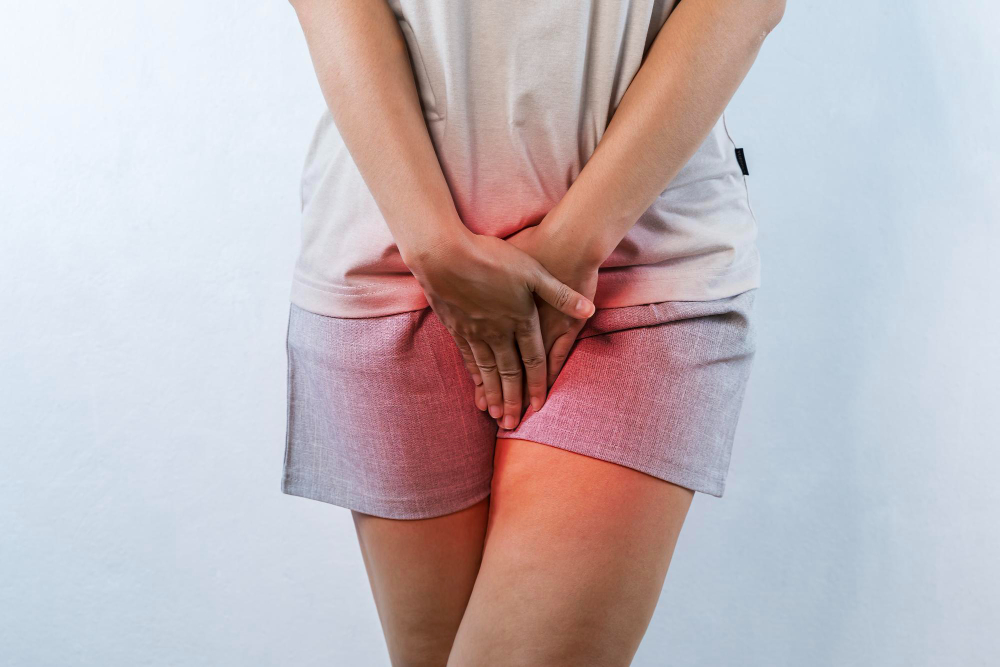
Vaginal dryness happens when the tissues inside the vagina lose moisture. This can cause discomfort, itching, or pain. Many women experience vaginal dryness at some point in their lives. Although it is common, it can affect daily comfort and relationships. For some, vaginal dryness makes sex painful or less enjoyable. Because this condition can impact quality of life, it is important to know the symptoms, causes, and treatment for vaginal dryness. According to the World Health Organization, vaginal dryness is a common concern, especially during menopause.
Symptoms of Vaginal Dryness
Often, vaginal dryness causes several noticeable symptoms. For example, you may feel irritation or burning in the vaginal area. In addition, some women notice discomfort during sex. Other signs can include:
Sometimes, these symptoms are mild. However, they can become more severe if left untreated. If you notice any of these signs, it may be time to talk to a healthcare provider.
Common Causes of Vaginal Dryness
Several factors can lead to vaginal dryness. Most often, a drop in estrogen levels is the main cause. Estrogen is a hormone that keeps the vaginal tissues healthy and moist. However, other reasons can also play a role. For instance, vaginal dryness may happen due to:
Because the causes of vaginal dryness can vary, it is important to identify the reason before starting treatment. The Centers for Disease Control and Prevention (CDC) notes that hormonal changes are a leading cause.
Diagnosis: How Vaginal Dryness is Identified
First, a healthcare provider will ask about your symptoms and medical history. Next, they may perform a pelvic exam to check for dryness or thinning of the vaginal walls. Sometimes, your provider may suggest simple tests to rule out infections or other conditions. For example, they might take a small sample of vaginal fluid. In some cases, blood tests help check your hormone levels. Because many factors can cause vaginal dryness, a full evaluation helps find the best treatment.
Treatment Options for Vaginal Dryness
There are several ways to treat vaginal dryness. The right treatment depends on the cause and your needs. For many women, simple changes can bring relief. However, some may need medication or hormone therapy. Common treatment options include:
Sometimes, it takes time to find the best treatment for vaginal dryness. Therefore, regular follow-up with your provider is helpful. The American College of Obstetricians and Gynecologists recommends starting with non-hormonal options first.
Lifestyle Tips and Prevention
Although some causes of vaginal dryness cannot be prevented, certain habits can help reduce symptoms. For example, you can:
Because some medications can cause dryness, ask your doctor if a change is possible. In addition, regular check-ups can help catch problems early. While not all cases can be prevented, these steps may lower your risk or ease symptoms.
Conclusion
If you are experiencing vaginal dryness or discomfort, caring support is available. Book a consultation with Dr Raghu suprith Reddy to discuss your symptoms and find the right treatment for you.